The Flavours of Home: Traditional Babondo Foods
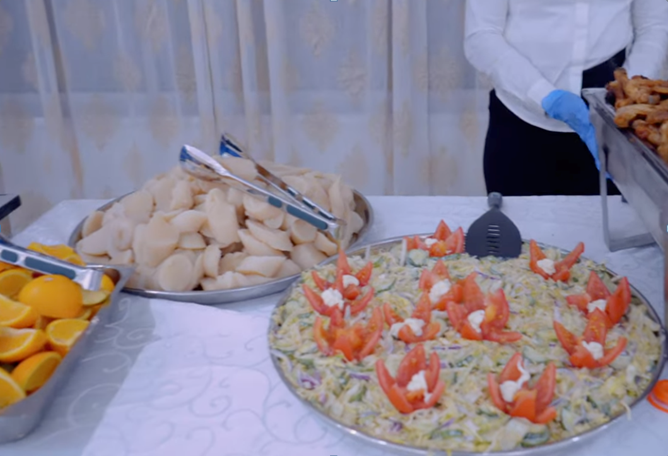
Traditional Babondo food served at a M’Mbondo Manchester cultural event — including Eswaka, Makemba, and grilled meats.
There is a saying among many African communities that food is not just sustenance — it is memory, love, and belonging served on a plate. At every M’Mbondo Manchester event, the moment the food is laid out is the moment the room truly comes alive. The aromas, the colours, and the familiar flavours carry people home, no matter how far they are from the DRC.
The Heart of Babondo Cuisine
Babondo food is rooted in the agricultural and ecological richness of South Kivu — a region of fertile soils, rivers, and forests where cassava, plantains, and a wide variety of vegetables and meats have sustained communities for generations. The dishes are simple in their ingredients but rich in technique, flavour, and cultural significance. Every recipe is a piece of knowledge passed from hands to hands across generations.
Eswaka — Cassava Root Dish
Eswaka is one of the foundational dishes of Babondo cuisine, made from cassava root — the staple crop of much of Central Africa. The cassava is processed, pounded, and prepared into a dense, nourishing dish that forms the heart of many traditional meals. In the DRC, cassava is not simply a food; it is a cultural anchor — the crop that has fed families through abundance and hardship alike. Eswaka is served at celebrations and everyday gatherings, always prepared according to methods passed through families rather than written recipes.
Makemba — Fried Plantains
Makemba — fried plantains — are a beloved feature of Babondo celebrations. Plantains are a staple of Central African cooking, distinct from bananas in their starchier texture and savoury depth when cooked. Fried golden and crisp on the outside, soft within, Makemba are served alongside main dishes or as a snack during community gatherings. For those in the Babondo diaspora, the smell of Makemba frying is one of the most powerful triggers of home — a scent memory that crosses continents.
Alala — Cassava Leaves Dish
Alala is a rich, slow-cooked dish made from pounded cassava leaves — a preparation found across Central Africa, known by different names in different communities but sharing the same deep, earthy flavour that comes only from the leaves properly prepared. Alala is typically cooked with palm oil, spices, and sometimes meat or fish, creating a dish that is simultaneously hearty and nuanced. It is a dish of patience — the leaves must be pounded, the cooking is long — and that patience is reflected in the depth of flavour.
“When we cook together, we are not just making food. We are making community.” — M’Mbondo Manchester member
Food as Cultural Preservation
At M’Mbondo Manchester, traditional foods are always part of our cultural events — not as a backdrop, but as a centrepiece. The act of preparing these dishes together, serving them, and sharing them across generations is itself a form of cultural transmission. Young people who may never have set foot in the DRC taste Eswaka and Makemba and Alala and understand something about where they come from that no classroom could teach.
We also celebrate the creativity and skill of the women in our community who are the primary keepers of these culinary traditions — their knowledge is irreplaceable, and their cooking is one of the greatest gifts they give to each gathering.